- +91 96433 00735
- collegeguideexpert@gmail.com
Established in 1993 in Jalal-Abad, A public university with a dedicated medical faculty and expanding international student base
NMC & WHO
English
6 Years
1993
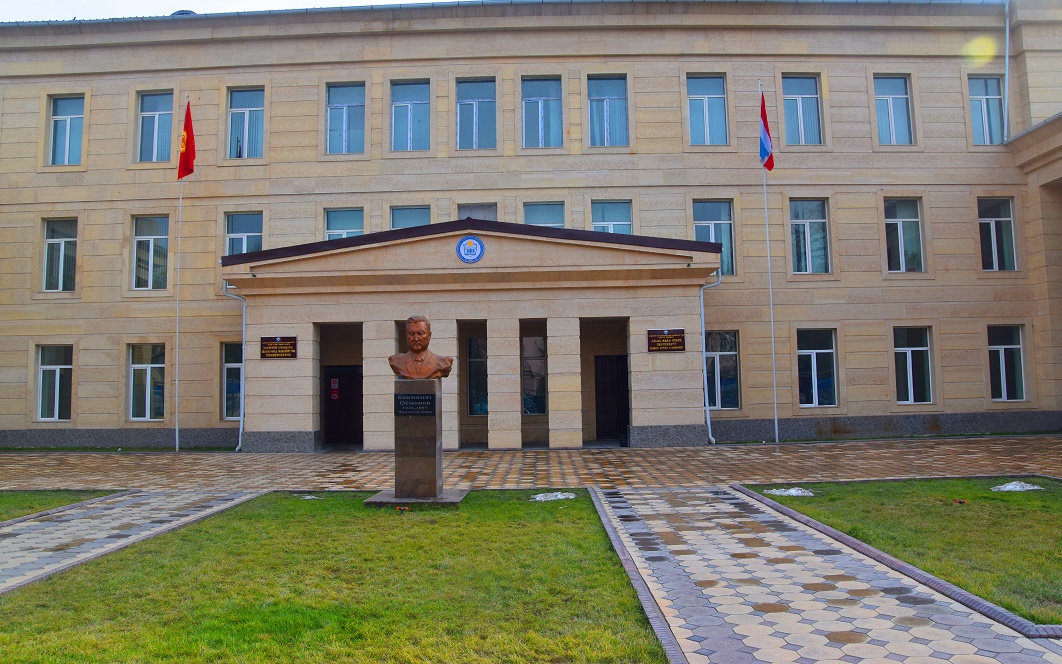
Jalal-Abad State University, named after B. Osmonov, was established in 1993 as a state educational institution in Kyrgyzstan. It offers programs across multiple fields including medicine with the Faculty of Medicine being one of its key academic units.
The medical faculty focuses on General Medicine and related disciplines combining classroom teaching with practical training. Students are not limited to theory; the structure includes clinical exposure through affiliated medical institutions in the region.
The university has a mixed student base, including international students, and English-medium teaching has been available for foreign applicants in recent years.
Public University Structure
JASU operates under the national education system of Kyrgyzstan. The curriculum is aligned with government standards, which keeps the academic flow consistent.
Dedicated Medical Faculty
The medical faculty includes multiple departments covering both basic sciences and clinical subjects such as surgery, pediatrics, and internal medicine.
Clinical Training Access
Students are trained across a number of medical institutions assigned as clinical bases. This allows them to gradually move from theory into real patient settings.
Faculty Strength and Setup
The teaching structure includes experienced professors, associate professors, and clinical practitioners involved in both academics and hospital-based work.
| Year | Tuition Fees | Hostel Fees | Mess | Others |
|---|---|---|---|---|
| 1st Year | 3500 USD | Included | 1200 USD | 2000 USD |
| 2nd Year | 3500 USD | Included | Optional | — |
| 3rd Year | 3500 USD | Included | Optional | — |
| 4th Year | 3500 USD | Included | Optional | — |
| 5th Year | 3500 USD | Included | Optional | — |
| 6th Year | 3500 USD | Included | Optional | — |
Total: Approx. 21,000 USD + additional charges
JASU is usually considered by students looking for a more accessible option—but that shouldn’t be the only reason.
We help you look at the full picture first—university setup, expectations, and long-term path. Once that’s clear, we assist with admission, documentation, and visa steps in order.
The main program is General Medicine, along with related medical disciplines.
Yes for academics, but students learn basic Russian for clinical interaction.
Six years, including internship.
Yes, training is linked with multiple clinical bases and starts gradually.
Yes, it is mandatory for Indian students.